
What TMJ Disorder Means and How We Treat It
Source: Dr. Marketing
At Riverside Family Dental in Lawrenceville, we believe that jaw discomfort should never be dismissed as a minor inconvenience. For many individuals, persistent pain near the jaw joint, clicking sounds, or difficulty chewing can point to a deeper concern—temporomandibular joint (TMJ) disorder.
This condition affects how your jaw functions and feels, but with early intervention and thoughtful care, many symptoms can be managed effectively. In this blog, we explore what TMJ disorder involves, the subtle signs it presents, and why custom mouthguards have become one of the most effective and conservative ways to support jaw health.
What Is the TMJ and What Can Go Wrong?

The temporomandibular joint is a small but powerful hinge connecting your jawbone to your skull. It allows you to speak, chew, yawn, and express yourself—often without thinking about how complex that motion is.
This joint is supported by muscles, ligaments, and a small cartilage disc that keeps everything moving smoothly. When any part of this system becomes strained, inflamed, or misaligned, it may result in TMJ disorder (TMD). This condition can affect one or both sides of the face and range from mild discomfort to chronic pain.
Why TMJ Disorders Happen: A Closer Look

There is rarely a single cause of TMJ issues. Instead, these disorders develop through a combination of stress, behavior, and structural challenges:
- Bruxism (clenching or grinding): Often occurs at night, putting excessive pressure on the joint
- Bite imbalance: When the teeth do not align properly, the jaw joint compensates, leading to strain
- Joint injury: A hit to the jaw can displace the disc or irritate joint tissues
- Inflammatory conditions: Like arthritis, which may affect the joint directly
- Chronic stress: Tension in the facial muscles can contribute to joint fatigue and pain
Understanding these factors allows us to better predict how symptoms may evolve and what type of care will offer lasting relief.
Common Symptoms and How They Are Often Misread
TMJ disorder is known as a "silent disruptor" because its symptoms often mimic other concerns. At Riverside Family Dental, we encourage patients in Lawrenceville to look for the following signs—especially if they appear together:
- Clicking or popping when opening or closing the mouth
- Tension or tightness along the jawline
- Pain near the ears, particularly in the morning
- Headaches or neck aches that are difficult to trace
- Occasional jaw locking, either open or closed
- Uneven wear on teeth, suggesting grinding
These issues may begin subtly and build over time. Because TMJ dysfunction can interfere with sleep, digestion, and speech, early evaluation is key to preventing complications.
How TMJ Disorders Affect More Than Just Your Jaw

TMJ issues can create a ripple effect throughout the body. Constant tension in the facial muscles may contribute to chronic headaches or discomfort that radiates to the neck and shoulders. Jaw fatigue can make it hard to eat normally, and individuals often find themselves avoiding certain foods, impacting nutrition.
When the condition becomes persistent, it may influence posture, sleep quality, and even emotional wellbeing. Many patients report feelings of frustration or anxiety over a condition that seems difficult to describe or control.
The Importance of a Detailed TMJ Evaluation
Diagnosing TMJ disorder requires a comprehensive approach. We start by listening carefully asking about the nature, timing, and triggers of your symptoms. We then perform a detailed clinical exam to assess:
- Jaw movement and range of motion
- Muscle tenderness and tension
- Bite alignment
- Evidence of wear from clenching or grinding
In some cases, we may recommend imaging such as panoramic X-rays or cone-beam CT scans to view joint structure more clearly. The goal is not just to confirm the presence of a TMJ disorder, but to understand its root cause so we can plan appropriate care.
Conservative Treatment: Why We Start With Custom Mouthguards
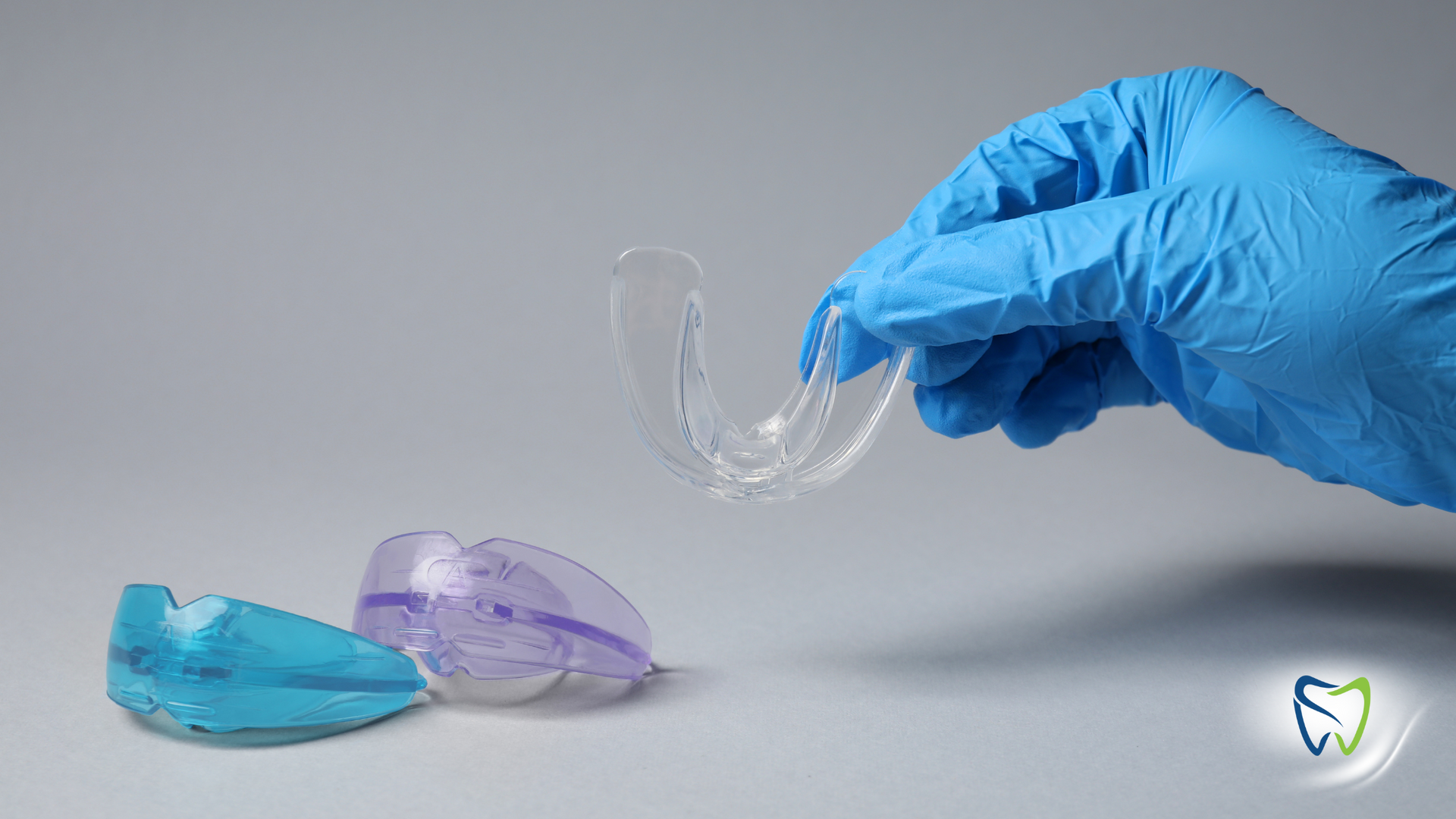
Most TMJ disorders can be managed without surgery. In fact, the first line of defense is often a small intervention that makes a big difference: a custom nightguard.
Unlike store-bought guards, a professional mouthguard is carefully designed to fit your unique bite. It helps reposition the jaw into a more relaxed state during sleep and reduces the grinding forces that place stress on the joint.
We design these guards based on the specific anatomy of each patient, taking care to ensure they are comfortable, breathable, and durable. A properly made nightguard not only protects the teeth but also allows the joint and muscles to recover from daily strain.
What Makes Custom Mouthguards So Effective?

The science behind custom mouthguards is simple yet powerful. By gently guiding the lower jaw into a neutral position, they relieve pressure on the TMJ and reduce microtrauma from grinding. Over time, this decreases inflammation and gives the jaw muscles a chance to relax. Other benefits include:
- Protection from enamel erosion caused by bruxism
- Better alignment of the bite overnight
- Reduced morning headaches or jaw soreness
- Improved sleep quality for some users
Custom nightguards are often recommended as the first and most important step in treating mild to moderate TMJ dysfunction—and in many cases, they are all that is needed.
When More Than a Mouthguard Is Required
Although mouthguards are highly effective, there are situations where additional care may be necessary. Patients with locked jaws, severe arthritis, or joint displacement may benefit from more advanced treatment. This may include physical therapy, orthodontic correction, anti-inflammatory medication, or in rare cases, surgical intervention.
At Riverside Family Dental in Lawrenceville, we monitor each patient’s progress and make collaborative referrals if a specialist evaluation becomes appropriate. We believe in conservative care first—but always advocate for the next level of support when needed.
Supporting Wellness Beyond the Joint

Treating TMJ disorder is about more than managing joint mechanics. It requires a holistic understanding of muscle behavior, stress, and long-term bite health. That is why, in addition to mouthguards, we also educate our patients on:
- Jaw-friendly posture while working or reading
- Breathing and relaxation techniques to reduce clenching
- Avoidance of chewy, hard, or sticky foods during flare-ups
- Incorporating warm compresses or gentle stretching
These small changes often make a significant difference when paired with consistent use of a nightguard.
Why Early Intervention Matters

One of the most common mistakes patients make is waiting too long to seek help. TMJ symptoms may come and go, but untreated grinding or alignment issues can worsen over time. This not only affects the joint but may also lead to uneven tooth wear, gum recession, and even cracked restorations.
With a custom nightguard from Riverside Family Dental in Lawrenceville, many of our patients find relief and protection within weeks. Early care is both preventive and therapeutic—helping stop a small issue from becoming a chronic concern.
Conclusion

TMJ disorder is complex, but it is manageable. With the right combination of evaluation, education, and support, most individuals can experience noticeable improvement in jaw function and comfort. At Riverside Family Dental in Lawrenceville, we provide custom-made nightguards as a cornerstone of conservative TMJ care—designed to protect the joint, reduce muscle strain, and support lasting relief.
If you have been noticing signs of jaw tension, grinding, or pain, we invite you to schedule a consultation. The path to relief may be more straightforward than you think—and it often begins with a simple, custom-fitted mouthguard.
Share
Related Posts